The Other Pipeline: How Central American Baseball Academies Are Quietly Reshaping MLB
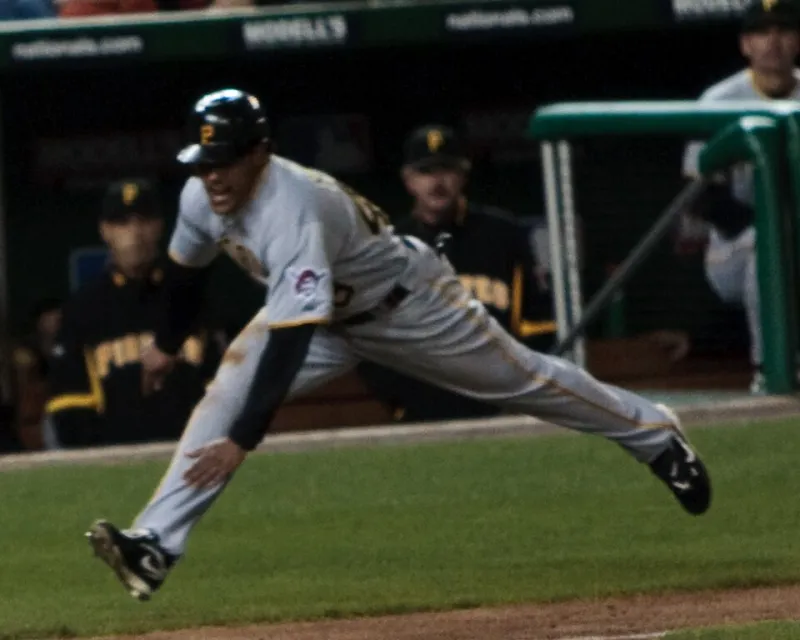
Photo: MissChatter on Flickr (Original version) User UCinternational (Crop), CC BY 2.0, via Wikimedia Commons
When American baseball fans think about international talent, they usually think of the Dominican Republic and Venezuela. The highlights are loud, the academies are famous, and the signing-day videos are polished. But in 2026, a quieter pipeline is running through Central America. It is smaller, less hyped, and more embedded in local life — and it is starting to matter to MLB teams, agents, and diaspora fans across the United States.
Panama, Nicaragua, and Costa Rica are not new to baseball. Panama gave the game Rod Carew and Mariano Rivera. Nicaragua gave it Dennis Martínez. Costa Rica has a smaller but stubborn baseball culture. What is changing is the infrastructure around young players: academies, partnerships, nutrition programs, schooling, and the networks that connect a kid from Chiriquí or Masaya to a scout in Arizona.
Not the Dominican Model
The Central American pipeline does not look like the Dominican one. It is less concentrated, less industrial, and less visible. In Panama, academies cluster in provinces such as Chiriquí and Veraguas. In Nicaragua, they are tied to Managua, León, and Masaya. In Costa Rica, the scene is smaller and more amateur, with a stronger emphasis on school and club play.
That difference matters. The Dominican model has produced stars, but it has also produced criticism: premature signings, crowded academies, weak schooling, and agents who function as gatekeepers. Central America has a chance to build something better. It also has a chance to repeat the same mistakes with less scrutiny.
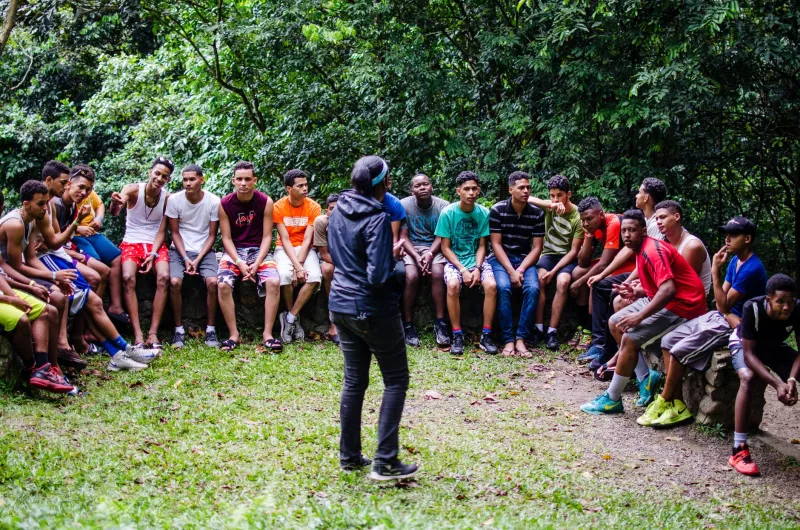
“Here, the academy is often part of the community,” says a Nicaraguan coach who has worked with teenage prospects and asked not to be named because he still scouts for an agency. “That can be good. The kid goes home at night. But it can also mean everyone knows your business, and everyone has an opinion about whether you should sign.”
The Team, the Agent, and the Buscón
MLB’s international signing system is a high-stakes marketplace. Teams maintain academies and scouting operations. Agents and buscones — the Latin American talent brokers who often train, house, and advise young players — can be essential mentors or extractive middlemen. In Central America, the networks are smaller, which makes relationships more personal and accountability more uneven.
A good academy provides coaching, nutrition, schooling, and medical care. A bad one provides a bunk bed, a promise, and pressure. The difference is often invisible to American fans, who see only the signing bonus or the minor-league stat line.
“The families are making decisions with very little information,” says Ana Lucía Méndez, a sports lawyer in Panama City who has advised young players. “They need clear contracts, independent advice, and someone who is not paid by the team or the agent. That is not radical. It is basic.”
The Diaspora Is Watching
Central American baseball has a ready-made audience in the United States. Panamanian and Nicaraguan communities in Miami, New York, Los Angeles, and New Orleans follow players with the intensity of hometown fans. When a kid from the isthmus signs, the news travels through group chats before it hits a major outlet.
That diaspora attention is a market opportunity for MLB. It is also a moral pressure point. Fans who celebrate a prospect’s rise can also ask who protected him on the way up. Did he finish school? Did his family understand the contract? Did the academy provide health care? Did anyone besides the agent get paid?
These questions are not unique to Central America. But the quieter pipeline makes them easier to ignore. The Dominican academies are under a media microscope. Central American academies often are not.
What MLB Owes the Quiet Pipeline
If MLB wants Central America to be a serious talent source, it should treat it like one. That means funding education and nutrition, not just fielding. It means enforcing agent standards and contract transparency. It means auditing academies and giving players independent legal advice. It means paying local coaches and staff fairly, so the pipeline does not run on volunteer goodwill.
It also means respecting the communities that produce the talent. A baseball academy can be an economic engine — jobs for cooks, groundskeepers, drivers, and trainers. Or it can be a extraction machine that takes the best teenagers and leaves the town with nothing but memories. The difference is policy, not romance.
At Istmo, we keep returning to the same image: a narrow land with a long reach. Central America’s baseball future will not be built by hype. It will be built by bus tickets, morning workouts, school schedules, and the adults who decide whether a 16-year-old is a prospect or a person.
The Long Reach of a Small Field
The next MLB star from Central America may not arrive with a viral mixtape. He may arrive with a coach’s notebook, a family sacrifice, and a small academy that somehow got the details right. American fans should pay attention to that pipeline — not just the prospect at the end of it. The isthmus has always been a bridge. Baseball is just one more thing crossing it.